Shopping for a new MacBook, Dell XPS, or gaming PC this spring?
You might want to sit down. Laptop prices have jumped $700-$1,000 in the past year, and the iPhone 17 Pro you were eyeing? That’s up $200 too. Even the PlayStation 5 got slapped with a $100 hike globally.
The culprit isn’t tariffs, shipping, or even inflation. It’s a massive semiconductor memory shortage driven by AI data centers — and it’s going to get worse before it gets better.
The Numbers Behind the Price Jump

Here’s what’s happening to everyday tech in 2026:
| Product |
Price Increase |
Why |
| Premium Laptops (MacBook, XPS) |
+$700–$1,000 |
DRAM & SSD cost surge |
| Gaming PCs (RTX + 32GB) |
+20–30% |
Memory components |
| Smartphones (iPhone 17 Pro, Galaxy S26) |
+$200–$295 |
Higher RAM requirements |
| PlayStation 5 |
+$100 |
Global price adjustment |
| Mid-range Desktop Memory |
+50-60% (Q1 alone) |
DRAM spot prices |
These aren’t rumors. Samsung and LG have already rolled out new laptop lineups with significantly higher MSRPs. Apple’s Q4 shareholder call specifically cited memory costs. Sony announced the PS5 price bump in March.
The Real Reason: AI is Eating Your Memory
Here’s what nobody’s telling you at Best Buy.
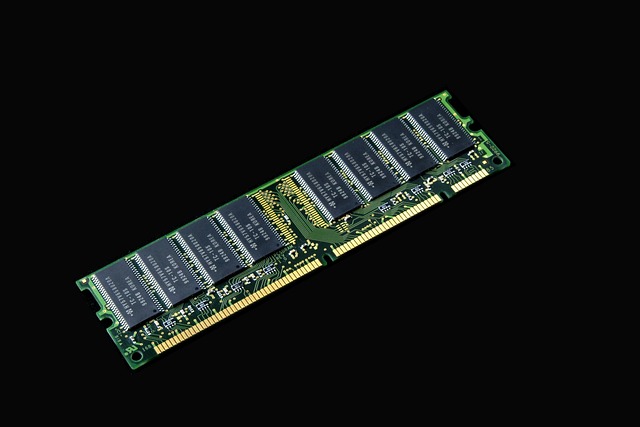
Memory manufacturers — Samsung, SK Hynix (both Korean), and Micron (Idaho, USA) — collectively control over 90% of the world’s DRAM supply. In 2026, they’ve pivoted hard toward producing HBM (High Bandwidth Memory) for AI servers instead of consumer-grade memory.
Why the shift?
- HBM sells for 5–7x the price of regular DRAM
- Nvidia’s Blackwell and upcoming Rubin GPUs need massive amounts of HBM
- Google, Microsoft, Meta, and Amazon are collectively investing $465 billion in AI infrastructure in 2026
What it means for consumers
Each wafer dedicated to HBM production means half the consumer memory. Less supply + constant demand = price explosion. It’s Economics 101, supercharged by the AI boom.
Q1 2026 Memory Price Explosion
The jumps are historic:
- DRAM prices: Up 50-60% in Q1 2026
- NAND flash (SSD): Up 90%+ in Q1 2026
- Q2 2026 forecast: Additional +90-95% on DRAM, +55-60% on NAND
- Server DRAM (DDR5 64GB modules): $255 → $700+ in one year
A 64GB DDR5 module for servers has 2.7x’d in price. That’s not a typo.
Why This Won’t End Soon

SK Group’s chairman Chey Tae-won (one of the biggest memory players) warned at Nvidia’s GTC conference this March:
“Silicon wafer shortages will likely persist until 2030.”
Why? New fabs take 3-5 years to build. Meanwhile, AI demand is exploding right now.
The supply/demand math
- Production capacity growth: +7.5% per year
- Required growth to meet demand: 12-15%
- Projected shortfall through 2027: 40% under demand
Translation: Memory prices stay elevated for at least 2-3 more years.
What Should You Do?
If You Need a Laptop Soon
Buy before June 2026. Q2 DRAM prices are forecast to jump another 90%. Models hitting stores in summer will reflect that.
- Best time: Late April to mid-May 2026
- Watch for: Mother’s Day and Memorial Day sales
- Avoid: Holiday season 2026 (Black Friday pricing will likely be worse than now)
If You Can Wait
Used and refurbished markets are your friend:
– eBay laptop volume up 40% year-over-year
– Back-market.com reports surging refurbished demand
– Last-gen models (2024-2025) often have 20-30% discounts while new inventory holds premium pricing
If You’re Investing
Three direct plays benefit from this cycle:
- Micron (MU): Up 120% YTD on the AI memory boom
- SK Hynix (000660.KS): Up 50%+ YTD, HBM leader
- ASML (ASML): Makes the machines that make the chips
How This Compares to Past Memory Cycles
History gives us some perspective:
2017-2018 DRAM Supercycle
– DRAM prices: +80% over 12 months
– Laptop price impact: ~$200
– Duration: 18 months
– Cause: Cloud computing boom
2020-2021 Pandemic Tech Surge
– DRAM prices: +30-40%
– Laptop price impact: ~$150
– Duration: 12 months
– Cause: Remote work / gaming
2026-? AI Memory Crisis
– DRAM prices: +50% (and climbing)
– Laptop price impact: +$700-1,000
– Duration: 3+ years projected
– Cause: Structural AI infrastructure buildout
The key difference: AI isn’t a one-off demand spike — it’s a decade-long infrastructure transformation.
Bottom Line for American Consumers
- Tech prices aren’t coming down in 2026. Budget accordingly.
- Buy sooner if you need it — summer prices will be worse.
- Consider used/refurbished — the discount gap is widening.
- The squeeze hits premium tier hardest (gaming, content creation, AI workloads).
- If investing, memory stocks are the only way to directly profit from this inflation.
The irony? The same AI revolution that promises to save us time and money is making the hardware to access it more expensive. Welcome to the 2026 memory economy.
FAQ
Q: Should I wait for the next iPhone?
iPhone 18 Pro will launch in September 2026. Given DDR memory requirements, expect another $150-200 price bump over the current model. If you need a phone, now is arguably the cheaper option.
Q: Will Black Friday 2026 have good deals?
Unlikely on new laptops. Retailers will likely discount older inventory aggressively, but new models will hold premium pricing. Expect 2-3% off MSRP at best on current-year laptops.
Q: Is building a PC still cheaper than buying one?
The gap has narrowed significantly. DIY builds save about 15% now versus 25-30% historically. With memory being the biggest component cost, manufacturers’ bulk purchasing advantages matter more.
Q: Are cloud services going to get more expensive too?
Yes. AWS, Azure, and Google Cloud all raised enterprise pricing by 5-8% in Q1 2026. Consumer services (Netflix, Spotify, game subscriptions) haven’t felt it yet, but bandwidth costs are climbing.
Q: What’s the single best memory stock to own?
For pure HBM exposure: SK Hynix. For US-based investment: Micron. For safety: Taiwan Semiconductor (TSMC). Pick based on your risk tolerance and brokerage access.
If you found this useful, share it with someone planning a laptop upgrade. They’ll thank you later.
Stay sharp.